Taman Bkt Pandan Bistari
Jalan Bukit Pandan Bistari 5, Taman Bukit Permai, 56100 Kuala Lumpur, Selangor, Malaysia
Jalan Bukit Pandan Bistari 5, Taman Bukit Permai, 56100 Kuala Lumpur, Selangor, Malaysia
| Road | Price | PSF | Size | Date | Type |
|---|
|
Jalan Bkt Pandan Bistari 5
|
RM739,000
|
RM520
|
1,421 sqft
|
|
|
|
Jalan Bkt Pandan Bistari 5
|
RM600,000
|
RM422
|
1,421 sqft
|
|
|
|
Jalan Bkt Pandan Bistari 6
|
RM645,000
|
RM454
|
1,421 sqft
|
|
|
|
Jalan Bkt Pandan Bistari 6
|
RM765,000
|
RM538
|
1,421 sqft
|
|
|
|
Jalan Bkt Pandan Bistari 5
|
RM710,000
|
RM500
|
1,421 sqft
|
|
|
|
Jalan Bkt Pandan Bistari 6
|
RM540,000
|
RM380
|
1,421 sqft
|
|
Selling in Taman Bkt Pandan Bistari? Homes here sold for a median of RM645,000.
Free to list, about two minutes, and the buyers reading this page will see it.
New launches in Selangor
View all
Posts about Taman Bkt Pandan Bistari
No posts about Taman Bkt Pandan Bistari yet. Be the first to share what’s happening here.
Nearby areas in Bandar Ampang
Taman Pandan Perdana
Taman Pandan Mewah
Bandar Baru Ampang
Taman Kosas
Taman Saga
Taman Sri Ampang Hilir / Angsana Hilir
Taman Desa Permai(Ampang)
Taman Pandan Perdana (28 Boulevard)
Taman Bkt Teratai
Taman Ampang Mewah
Taman Bkt Permai (Ampang)
Taman Bkt Pandan Bistari
Marketplace listings
PSF median price per sq ft · 12m its change over the past 12 months
Most-traded areas in this mukim, by number of recorded subsale transactions. See every area in Bandar Ampang
Property News
More property news →Rimbun Saujana Residency @ Saujana Resort: Resort-Style Freehold Living in Shah Alam
EdgeProp · 2 weeks ago
Pangsapuri Semai @ Setia Alam: Affordable RSKU Homes Designed for Multi-Generational Living
EdgeProp · 3 weeks ago

Forced auction of Country Heights land cancelled due to lack of bidders
EdgeProp · 1 month ago

111 Menerung, Bangsar: A Low-Density Freehold Residence in One of KLs Most Established Enclaves
EdgeProp · 1 month ago

Mapex 2026: KPKT pushes greener, data-led property planning
EdgeProp · 1 month ago
Market Snapshot
ResidentialRM645,000
RM429 psfMedian transaction price
Jalan Bukit Pandan Bistari 5, Taman Bukit Permai, 56100 Kuala Lumpur, Selangor, Malaysia
MapsTaman Bkt Pandan Bistari in Hulu Langat, Selangor recorded 13 subsale transactions between 2021 and 2026, with a median price of RM645K and a median price per square foot (PSF) of RM454.
Nothing is listed in Taman Bkt Pandan Bistari right now. Browse properties for sale in Bandar Ampang and properties for rent in Bandar Ampang nearby, then use the 13 sales recorded here to judge whether an asking price is fair.
This area consists exclusively of residential properties, with no commercial listings recorded.
Price remained flat, and PSF growth was PSF remained flat. The median price is RM645K, with most transactions falling within a stable range of RM552K to RM738K, and a typical market range of RM576K to RM714K.
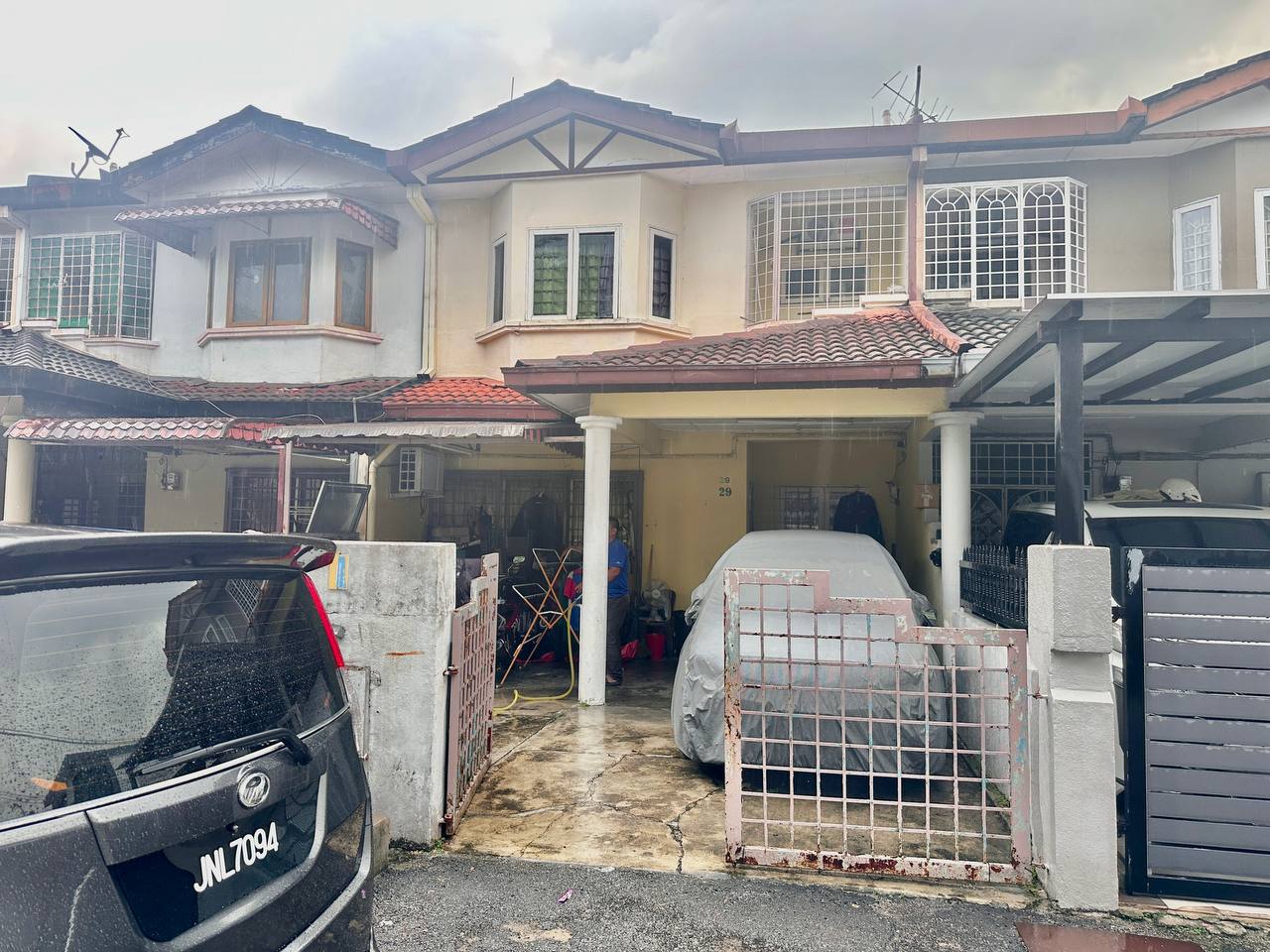
Most transactions involved 2 - 2 1/2 storey terraced, with minimal variety in property types.
For price per square foot, the median is RM454, with most transactions between RM411 and RM497. The usual range is RM416.46 to RM491.46, showing that most units are priced quite close to each other. With an IQR of RM75.00 and MAD of RM43, the PSF demonstrates reasonable consistency across the market.
Overall, the market in this area appears stable with consistent appreciation, making it an attractive option for both investors and homebuyers. The consistent property type and stable pricing make it easier to assess value and compare trends. Limited transaction history suggests carefully evaluating comparable sales data.