Property Type
| Road | Price | PSF | Size | Date | Type |
|---|
|
Lorong Lawang 6/2
|
RM 215,000
|
RM 157
|
1,367 sqft
|
|
|
Jalan Lada 5
|
RM 285,000
|
RM 199
|
1,432 sqft
|
|
|
|
Jalan Lawang 61
|
RM 255,000
|
RM 173
|
1,475 sqft
|
|
|
Jalan Lada 5
|
RM 305,000
|
RM 101
|
3,025 sqft
|
|
Posts about Taman Simpang Jaya
No posts about Taman Simpang Jaya yet. Be the first to share what’s happening here.
Promote your property to visitors of this page
Market Snapshot
ResidentialRM 270,000
RM 165 psfMedian transaction price
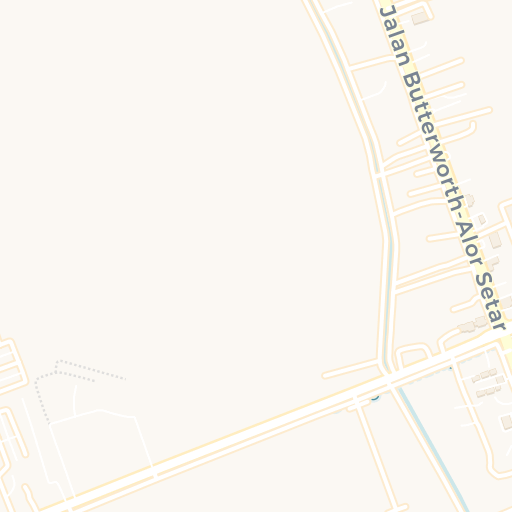
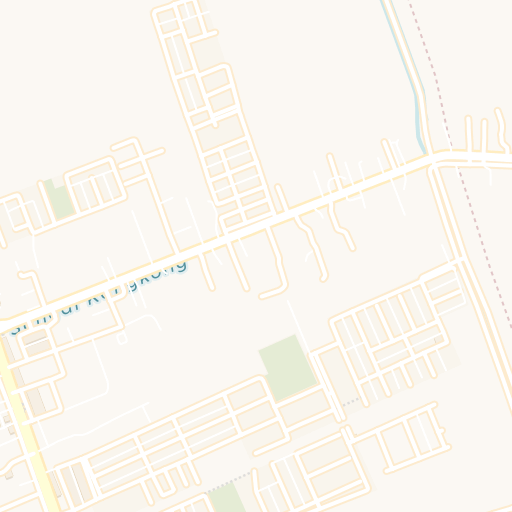
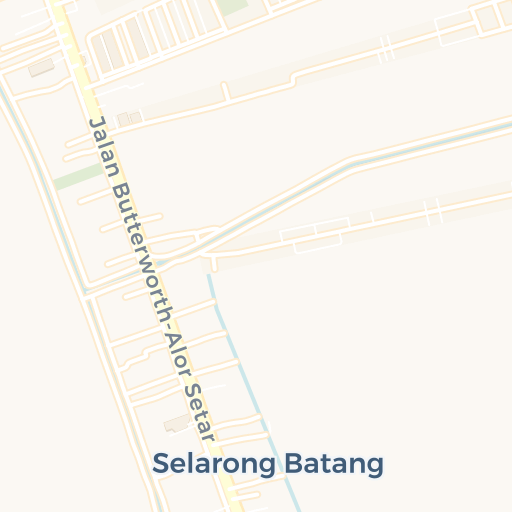
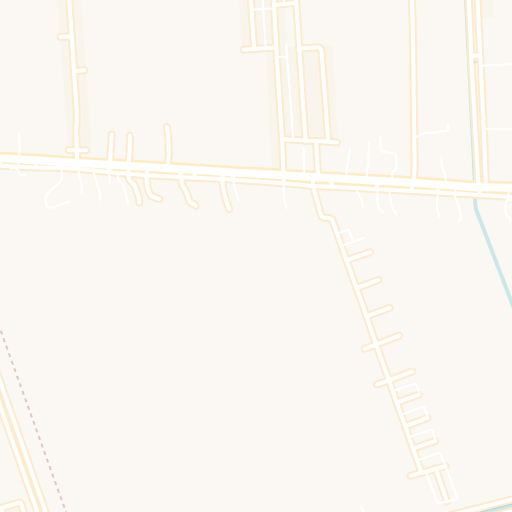
Taman Simpang Jaya, Kota Setar, Kedah
Taman Simpang Jaya in Kota Setar, Kedah recorded 4 subsale transactions in 2024, with a median price of RM 270K and a median price per square foot (PSF) of RM 165.
This area contains both residential and commercial properties. View 15 residential properties or 1 commercial properties separately for more focused analysis.
Price remained flat, and PSF growth was PSF remained flat. The median price is RM 270K, with most transactions falling within a stable range of RM 236K to RM 304K, and a typical market range of RM 233K to RM 305K.
Most transactions involved 1 - 1 1/2 storey terraced, with minimal variety in property types.
Price per square foot shows a median of RM 165, though individual units vary from RM 129 to RM 201 in the core range. The broader market spans RM 153.48 to RM 176.73, indicating diverse property characteristics. The spread of RM 23.25 (IQR) and deviation of RM 36 (MAD) suggest moderate price variations reflecting different property features.
Overall, the market in this area appears stable with consistent appreciation, making it an attractive option for both investors and homebuyers. Moderate price stability provides a balanced market for both buyers and sellers. Limited transaction history suggests carefully evaluating comparable sales data.