Taman Desa Permai
Kangkar Pulai, Johor Darul Ta'zim, Malaysia
Kangkar Pulai, Johor Darul Ta'zim, Malaysia
| Road | Price | PSF | Size | Date | Type |
|---|
|
Jalan Belalang
|
RM330,000
|
RM262
|
1,259 sqft
|
|
|
|
Jalan Sibur-Sibur
|
RM350,000
|
RM278
|
1,259 sqft
|
|
|
|
Jalan Sibur-Sibur
|
RM230,000
|
RM183
|
1,257 sqft
|
|
|
|
Jalan Sibur-Sibur
|
RM300,000
|
RM239
|
1,257 sqft
|
|
|
|
Jalan Lebah
|
RM290,000
|
RM232
|
1,252 sqft
|
|
|
|
Jalan Mentibang
|
RM300,000
|
RM240
|
1,252 sqft
|
|
Selling in Taman Desa Permai? Homes here sold for a median of RM280,000.
Free to list, about two minutes, and the buyers reading this page will see it.
Posts about Taman Desa Permai
No posts about Taman Desa Permai yet. Be the first to share what’s happening here.
Nearby areas in Pulai
Taman Bukit Indah
Horizon Hill
Taman Universiti
Taman Ungku Tun Aminah
Taman Mutiara Rini
Taman Pulai Mutiara 2
Taman Perling
Taman Pulai Mutiara
Bandar Selesa Jaya
Taman Skudai Baru
Taman Tampoi Indah
Laman Setia
Taman Desa Permai
PSF median price per sq ft · 12m its change over the past 12 months
Most-traded areas in this mukim, by number of recorded subsale transactions. See every area in Pulai
Semak nilai rumah di Taman Desa Permai
Bagaimana cara semak nilai rumah di Taman Desa Permai?
Anda boleh semak nilai rumah di Taman Desa Permai dengan melihat harga transaksi subsale yang telah direkodkan. Halaman ini memaparkan 19 transaksi, dengan harga median RM280,000. Untuk anggaran khusus bagi unit anda, gunakan alat penilaian percuma kami.
Berapa harga pasaran rumah di Taman Desa Permai?
Harga median rumah di Taman Desa Permai ialah RM280,000, berdasarkan 19 transaksi subsale yang direkodkan. Harga median ialah harga tengah — separuh daripada transaksi lebih tinggi, dan separuh lagi lebih rendah.
Apa beza market value dengan bank value?
Market value ialah harga pasaran semasa yang pembeli sanggup bayar. Bank value ialah nilai yang ditetapkan oleh penilai bank untuk tujuan pinjaman, dan biasanya lebih rendah. Bank menggunakan nilai yang lebih rendah antara harga belian dan bank value semasa mengira margin pinjaman anda. Syarat berbeza mengikut bank, jadi rujuk bank anda untuk angka muktamad.
Semak nilai rumah anda secara percuma — anggaran berdasarkan transaksi sebenar berhampiran.
Market Snapshot
ResidentialRM280,000
RM222 psfMedian transaction price
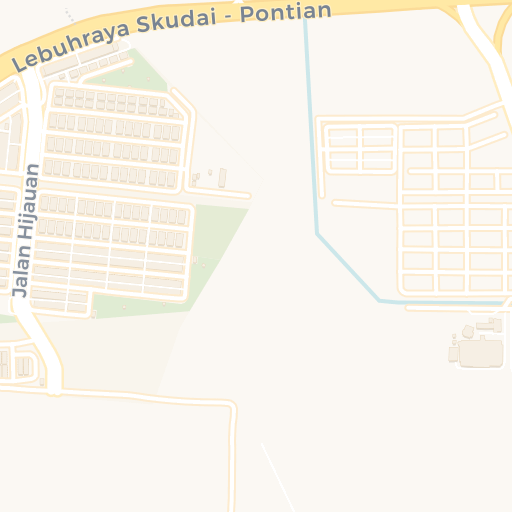
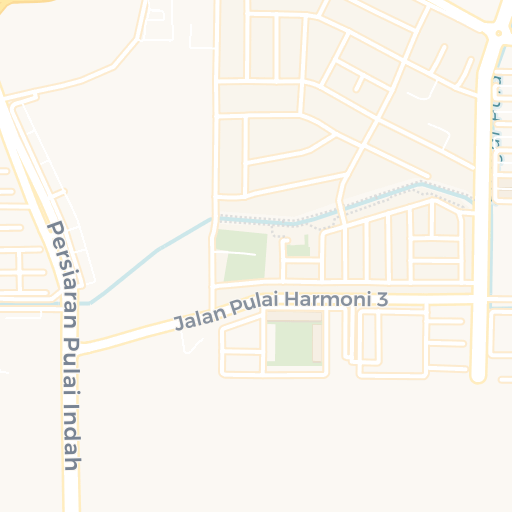
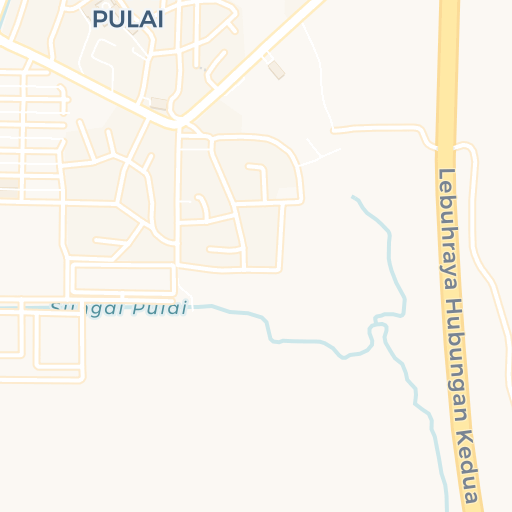
Taman Desa Permai, Kangkar Pulai, Johor Darul Ta'zim, Malaysia
MapsTaman Desa Permai in Johor Bahru, Johor recorded 19 subsale transactions between 2021 and 2026, with a median price of RM280K and a median price per square foot (PSF) of RM222.
This area consists exclusively of residential properties, with no commercial listings recorded.
Price remained flat, and PSF growth was PSF remained flat. The median price is RM280K, with most transactions falling within a stable range of RM260K to RM300K, and a typical market range of RM256K to RM304K.
Most transactions involved low-cost house, with minimal variety in property types.
For price per square foot, the median is RM222, with most transactions between RM205 and RM239. The usual range is RM203.08 to RM241.58, showing that most units are priced quite close to each other. A typical spread (IQR) of RM38.50 and an average deviation (MAD) of RM17 indicate a highly stable PSF trend across properties.
Overall, the market in this area appears stable with consistent appreciation, making it an attractive option for both investors and homebuyers. The consistent property type and stable pricing make it easier to assess value and compare trends. Limited transaction history suggests carefully evaluating comparable sales data.