| Road | Price | PSF | Size | Date | Type |
|---|
|
Jalan 5/13
|
RM1,700,000
|
RM1,128
|
1,507 sqft
|
|
|
Jalan Chantek 5/13
|
RM1,755,000
|
RM1,019
|
1,722 sqft
|
|
|
Jalan Chantek 5/13
|
RM2,300,000
|
RM963
|
2,390 sqft
|
|
2-Sty Shop |
|
Jalan Chantek 5/13
|
RM2,300,000
|
RM963
|
2,390 sqft
|
|
1-Sty Shop |
Selling in Petaling Jaya Seksyen 5? Homes here sold for a median of RM2,027,500.
Free to list, about two minutes, and the buyers reading this page will see it.
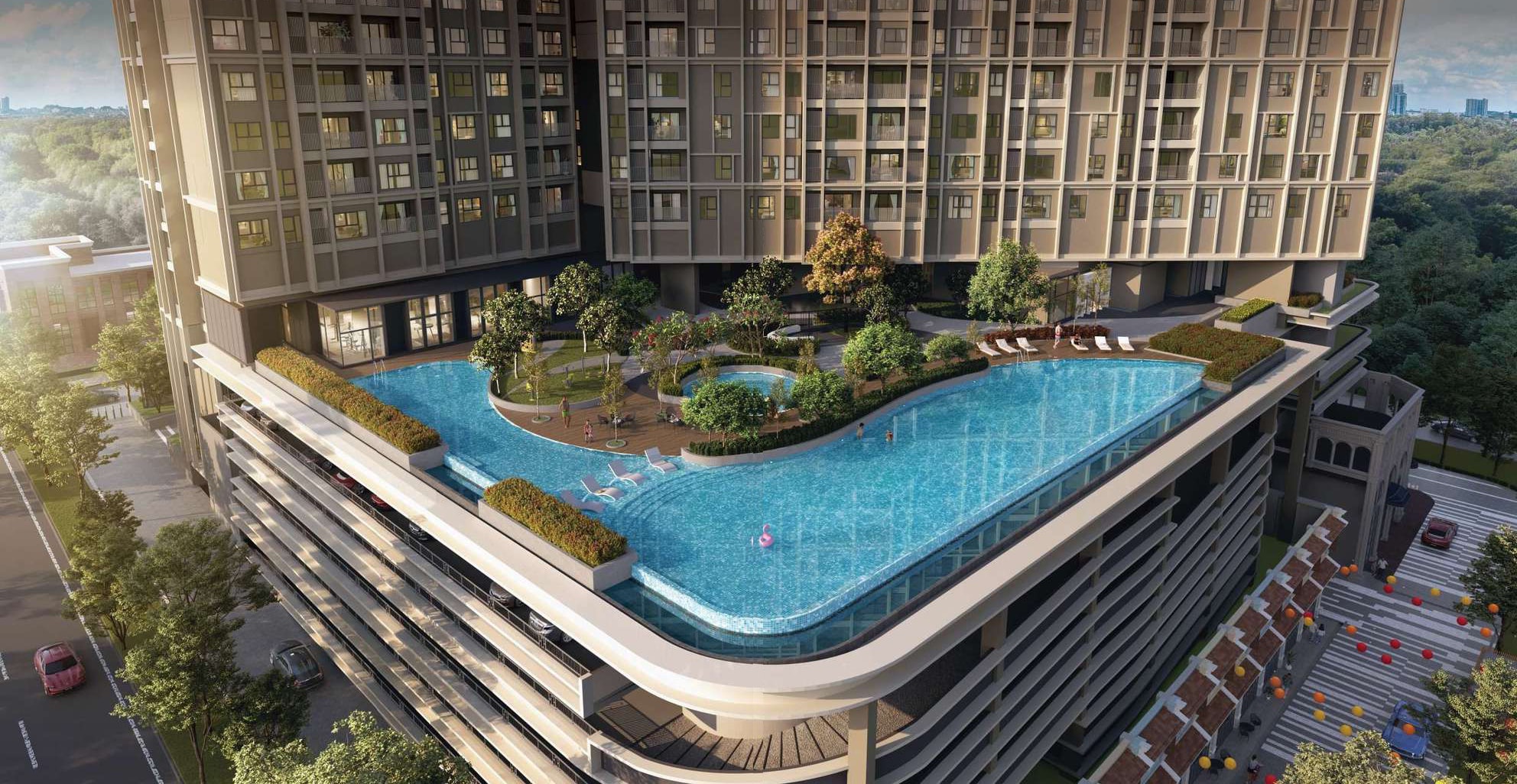
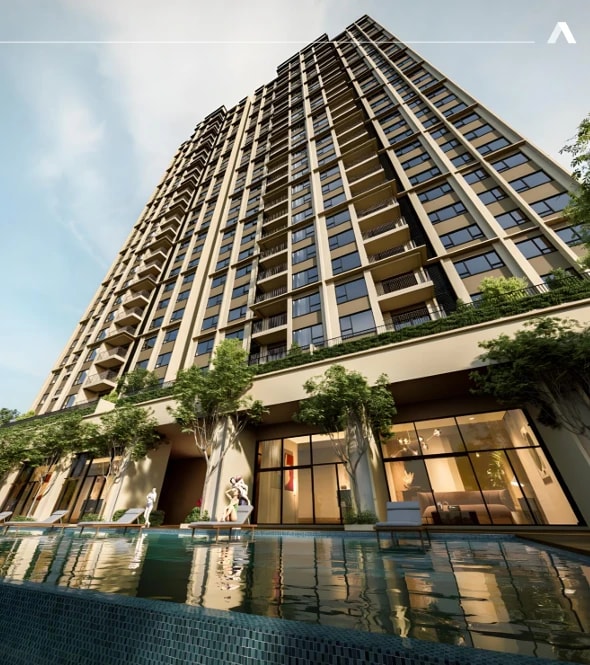
New launches in Bandar Petaling Jaya
View all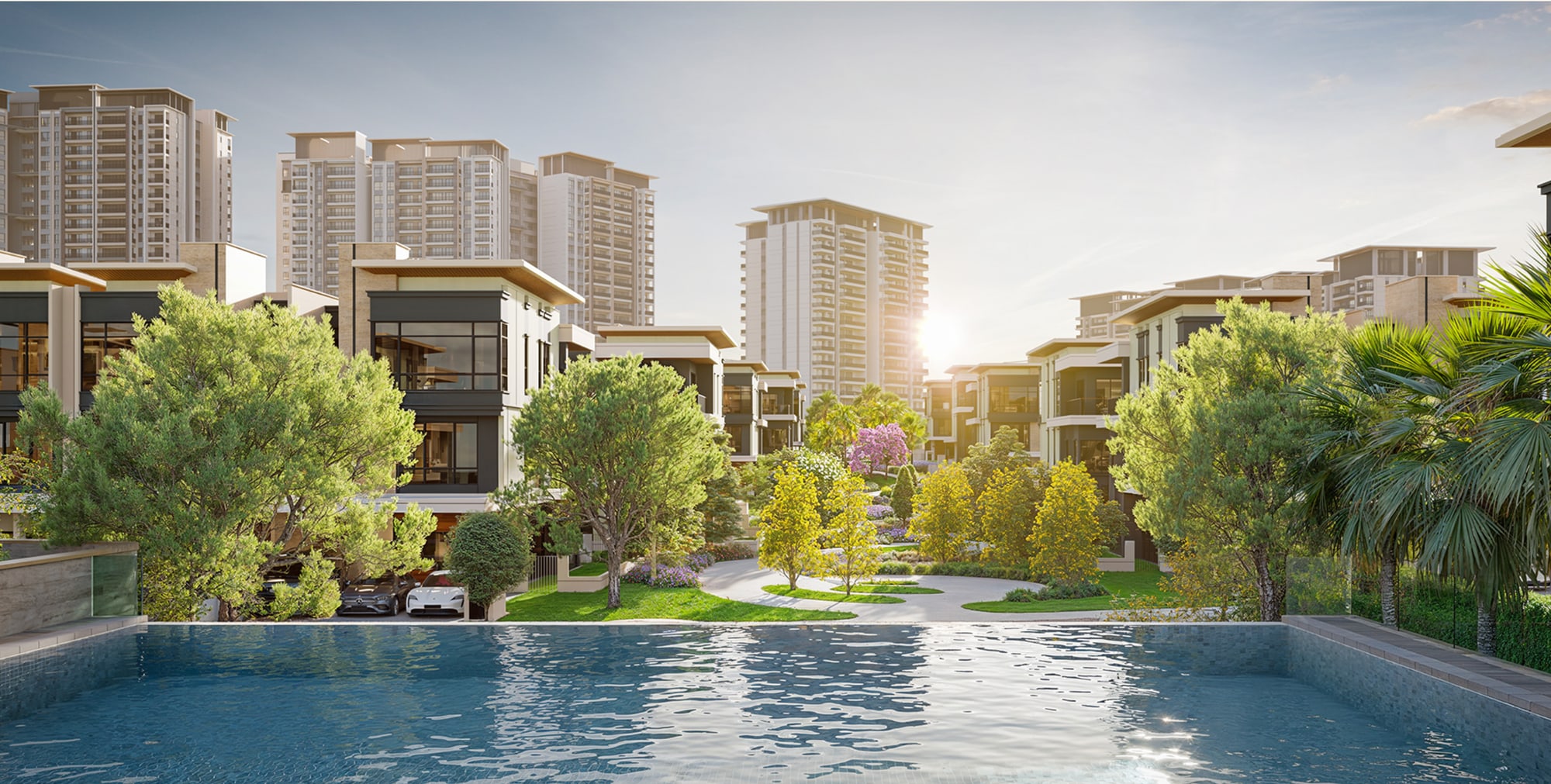
Posts about Petaling Jaya Seksyen 5
No posts about Petaling Jaya Seksyen 5 yet. Be the first to share what’s happening here.
Nearby areas in Bandar Petaling Jaya
Bandar Utama Damansara
Pelangi Damansara Fasa 1A-PJU 6, P.Jaya
PJ Midtown
SS 3 Petaling Jaya
Sek. 17 Petaling Jaya
Kondominium Bkt Utama-Changkat Bkt Utama
Sek. 14 Petaling Jaya
SS 23 Taman Sea
Petaling Jaya Seksyen 5
Marketplace listings
PSF median price per sq ft · 12m its change over the past 12 months
Most-traded areas in this mukim, by number of recorded subsale transactions. See every area in Bandar Petaling Jaya
Property News
More property news →
Sejati By The Lake sales gallery opens
StarProperty · 1 day ago

ALS launches driverless RoboVan for public-road operations in Malaysia
EdgeProp · 1 day ago

ERA Malaysia marks 6th Anniversary with Unity in Diversity Celebration
StarProperty · 2 days ago

Nearly 9 in 10 homeowners face waterproofing problems after DLP
StarProperty · 5 days ago

Setia Lenscape draws over 1,300 entries as Malaysians capture township life
EdgeProp · 5 days ago
Seksyen 5, 40000 Shah Alam, Selangor, Malaysia
MapsPetaling Jaya Seksyen 5 in Petaling, Selangor recorded 4 subsale transactions between 2021 and 2026, with a median price of RM2.03 million and a median price per square foot (PSF) of RM1,019.
Nothing is listed in Petaling Jaya Seksyen 5 right now. Browse properties for sale in Bandar Petaling Jaya and properties for rent in Bandar Petaling Jaya nearby, then use the 4 sales recorded here to judge whether an asking price is fair.
This area consists exclusively of commercial properties, with no residential listings recorded.
Price remained flat, and PSF growth was PSF remained flat. The median price is RM2.03 million, with most transactions falling within a stable range of RM1.76 million to RM2.30 million, and a typical market range of RM1.75 million to RM2.30 million.
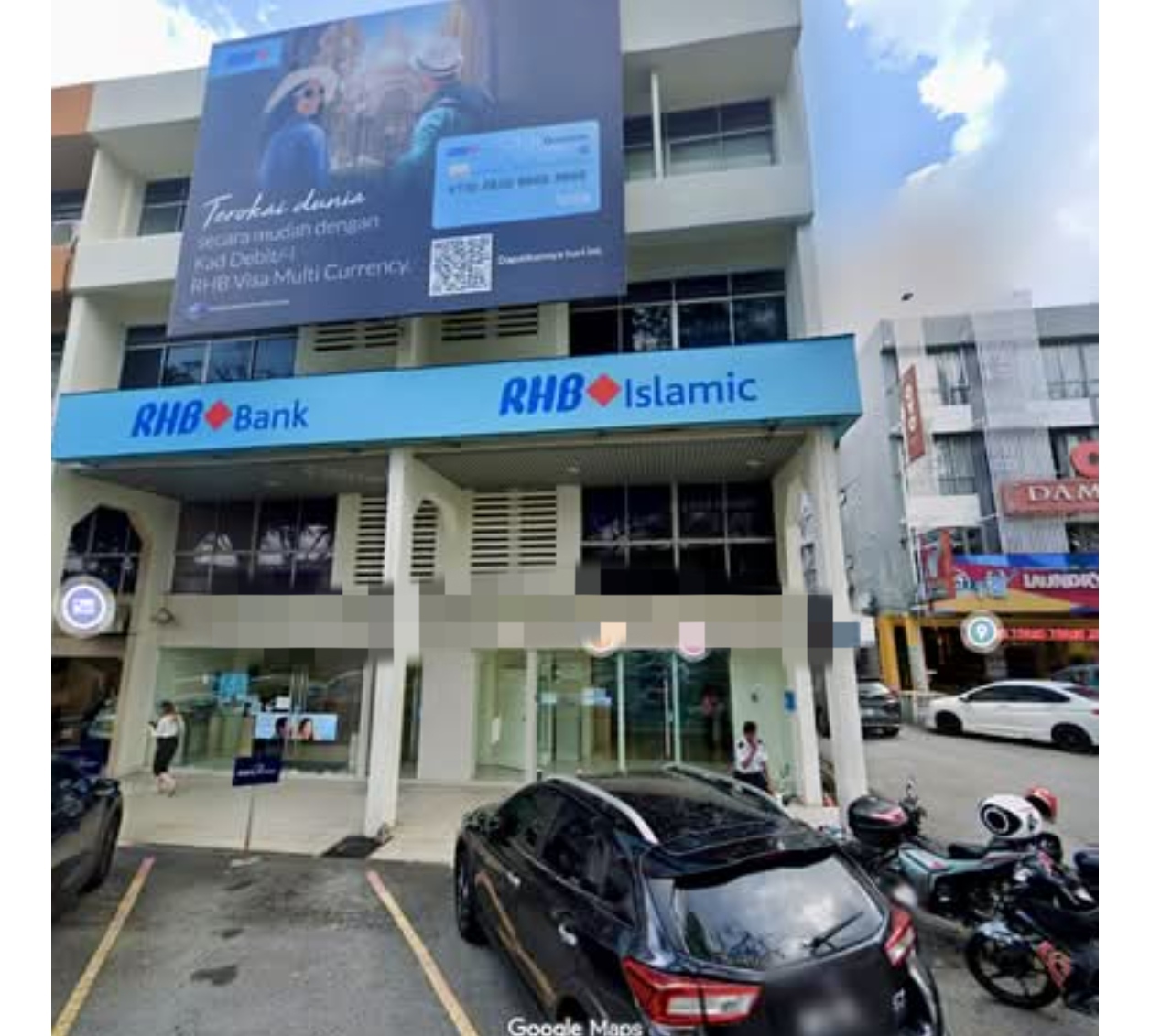
Most transactions involved 1 - 1 1/2 storey shop, though some variety exists in the market.
For price per square foot, the median is RM1,019, with most transactions between RM989 and RM1,050. The usual range is RM1,000.28 to RM1,037.78, showing that most units are priced quite close to each other. A typical spread (IQR) of RM37.50 and an average deviation (MAD) of RM31 indicate a highly stable PSF trend across properties.
Overall, the market in this area appears stable with consistent appreciation, making it an attractive option for both investors and homebuyers. The consistent property type and stable pricing make it easier to assess value and compare trends. Limited transaction history suggests carefully evaluating comparable sales data.

Veridian Residences PJS5