Taman Bukit Senadi
16, 6, Jln Nadi 2/3, Taman Bukit Senadi, 79100 Iskandar Puteri, Johor Darul Ta'zim, Malaysia
16, 6, Jln Nadi 2/3, Taman Bukit Senadi, 79100 Iskandar Puteri, Johor Darul Ta'zim, Malaysia
| Road | Price | PSF | Size | Date | Type |
|---|
|
Jalan Senadi
|
RM686,000
|
RM332
|
2,067 sqft
|
|
|
|
Jalan Senadi
|
RM776,000
|
RM375
|
2,067 sqft
|
|
|
|
Jalan Senadi
|
RM672,000
|
RM325
|
2,067 sqft
|
|
|
|
Jalan Senadi
|
RM776,000
|
RM375
|
2,067 sqft
|
|
|
|
Jalan Senadi
|
RM776,000
|
RM375
|
2,067 sqft
|
|
|
|
Jalan Senadi
|
RM783,000
|
RM379
|
2,067 sqft
|
|
|
|
Jalan Senadi
|
RM835,000
|
RM404
|
2,067 sqft
|
|
Selling in Taman Bukit Senadi? Homes here sold for a median of RM776,000.
Free to list, about two minutes, and the buyers reading this page will see it.
Posts about Taman Bukit Senadi
No posts about Taman Bukit Senadi yet. Be the first to share what’s happening here.
Nearby areas in Pulai
Taman Bukit Indah
Horizon Hill
Taman Universiti
Taman Ungku Tun Aminah
Taman Perling
Taman Pulai Mutiara
Bandar Selesa Jaya
Taman Skudai Baru
Taman Tampoi Indah
Laman Setia
Taman Bukit Senadi
Marketplace listings
PSF median price per sq ft · 12m its change over the past 12 months
Most-traded areas in this mukim, by number of recorded subsale transactions. See every area in Pulai
Semak nilai rumah di Taman Bukit Senadi
Bagaimana cara semak nilai rumah di Taman Bukit Senadi?
Anda boleh semak nilai rumah di Taman Bukit Senadi dengan melihat harga transaksi subsale yang telah direkodkan. Halaman ini memaparkan 7 transaksi, dengan harga median RM776,000. Untuk anggaran khusus bagi unit anda, gunakan alat penilaian percuma kami.
Berapa harga pasaran rumah di Taman Bukit Senadi?
Harga median rumah di Taman Bukit Senadi ialah RM776,000, berdasarkan 7 transaksi subsale yang direkodkan. Harga median ialah harga tengah — separuh daripada transaksi lebih tinggi, dan separuh lagi lebih rendah.
Apa beza market value dengan bank value?
Market value ialah harga pasaran semasa yang pembeli sanggup bayar. Bank value ialah nilai yang ditetapkan oleh penilai bank untuk tujuan pinjaman, dan biasanya lebih rendah. Bank menggunakan nilai yang lebih rendah antara harga belian dan bank value semasa mengira margin pinjaman anda. Syarat berbeza mengikut bank, jadi rujuk bank anda untuk angka muktamad.
Semak nilai rumah anda secara percuma — anggaran berdasarkan transaksi sebenar berhampiran.
Property News
More property news →
Plugging gaps and addressing policy uncertainty
StarProperty · 2 weeks ago

Bon Estates opens new road connection in Mont Kiara
StarProperty · 3 weeks ago

EcoWorld wins tender for maiden Singapore residential project
StarProperty · 3 weeks ago

SP Setia launches Setia Fontaines Heritage Park
StarProperty · 3 weeks ago

Paragon Globe sets out Johor landbank strategy
EdgeProp · 3 weeks ago
16, 6, Jln Nadi 2/3, Taman Bukit Senadi, 79100 Iskandar Puteri, Johor Darul Ta'zim, Malaysia
MapsTaman Bukit Senadi in Johor Bahru recorded 7 subsale transactions between 2021 and 2026, with a median price of RM776K and a median price per square foot (PSF) of RM375.
Nothing is listed in Taman Bukit Senadi right now. Browse properties for sale in Pulai and properties for rent in Pulai nearby, then use the 7 sales recorded here to judge whether an asking price is fair.
This area consists exclusively of residential properties, with no commercial listings recorded.
Price remained flat, and PSF growth was PSF remained flat. The median price is RM776K, with most transactions falling within a stable range of RM769K to RM783K, and a typical market range of RM752K to RM800K.
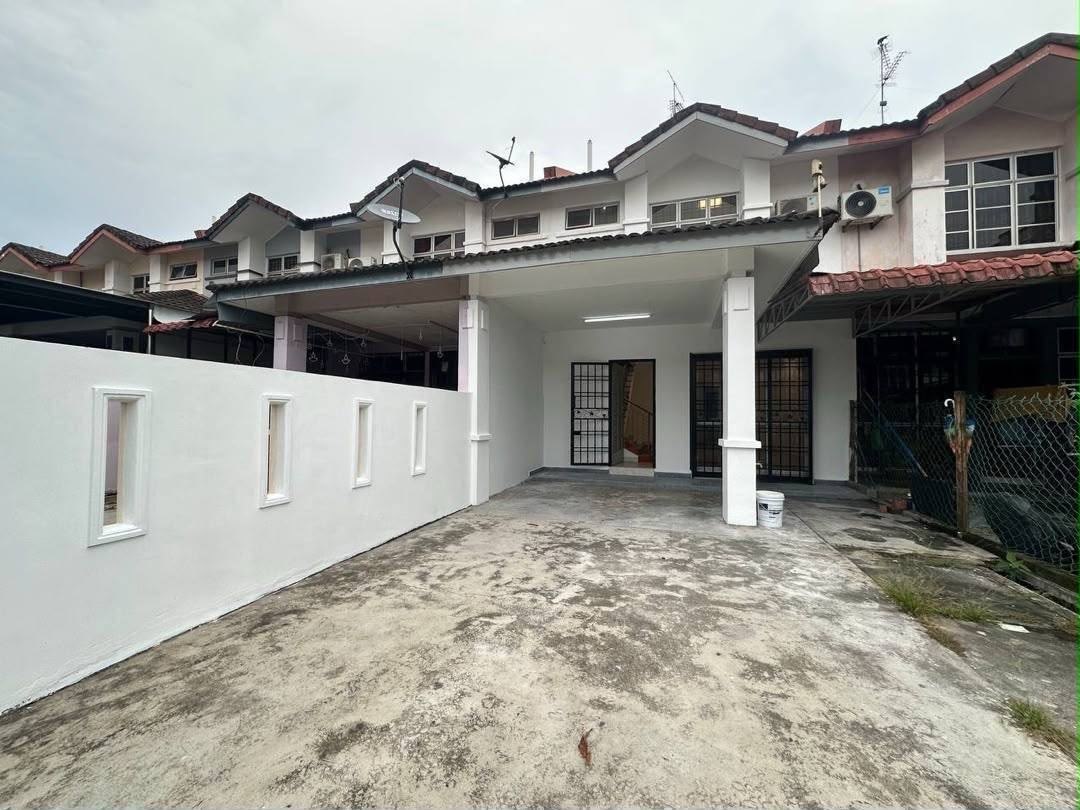
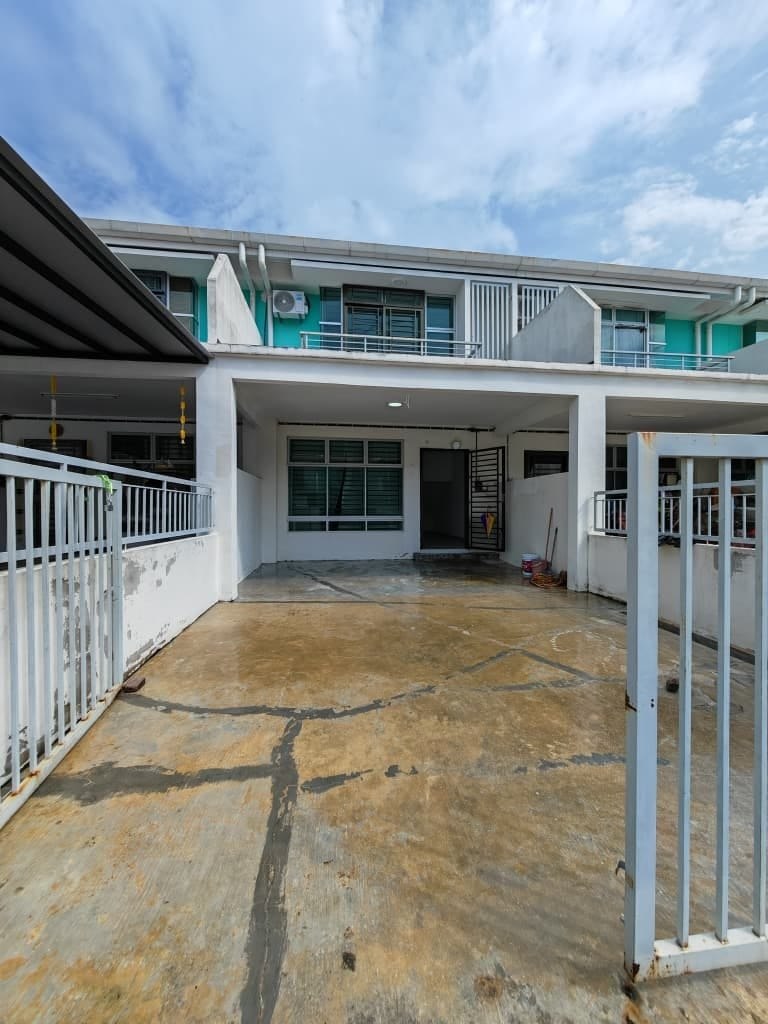
Most transactions involved 2 - 2 1/2 storey terraced, with minimal variety in property types.
The median PSF stands at RM375, with core pricing between RM337 and RM413. Market pricing typically extends from RM351.48 to RM399.48, reflecting moderate variation in unit pricing. With an IQR of RM48.00 and MAD of RM38, the PSF demonstrates reasonable consistency across the market.
Overall, the market in this area appears stable with consistent appreciation, making it an attractive option for both investors and homebuyers. The consistent property type and stable pricing make it easier to assess value and compare trends. Limited transaction history suggests carefully evaluating comparable sales data.