| Road | Price | PSF | Size | Date | Type |
|---|
|
Lorong Kijang 2/5
|
RM 370,000
|
RM 206
|
1,798 sqft
|
|
|
Lorong Kijang 6
|
RM 568,000
|
RM 131
|
4,338 sqft
|
|
Kopitiam is the corner kopi shop where neighbours lepak, sembang, and catch up..
On List.my, every location also got one. The kaki you see lepak-ing around are real people checking out this same area right now.
Pull up a stool, be nice and chat anything about this location or more!
Every kopitiam is for one state only. You see everyone browsing that same state, live, and they see you too.
Whatever you say, everyone in this state's kopitiam sees it straight away.
You stay anonymous, no name or sign-in needed. Logged in? You can choose to show your name.
Promote your property to visitors of this page
Market Snapshot
ResidentialRM 469,000
RM 168 psfMedian transaction price
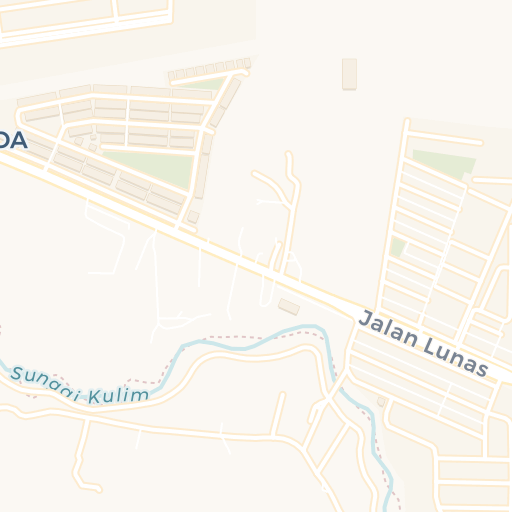

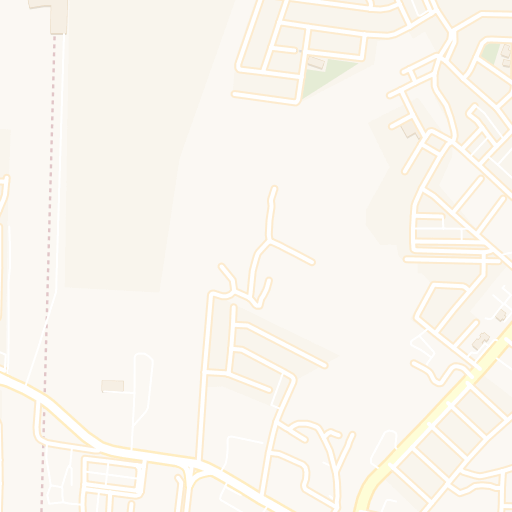
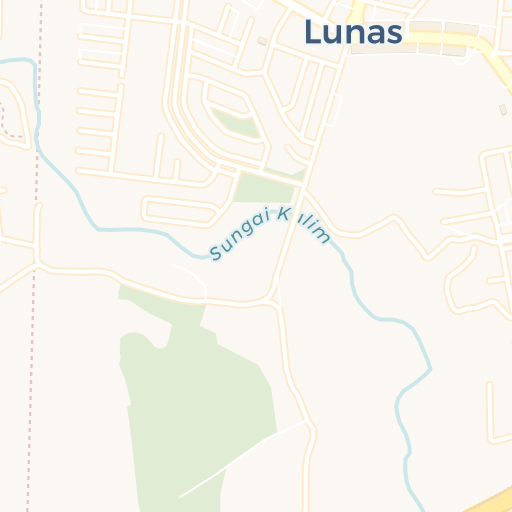
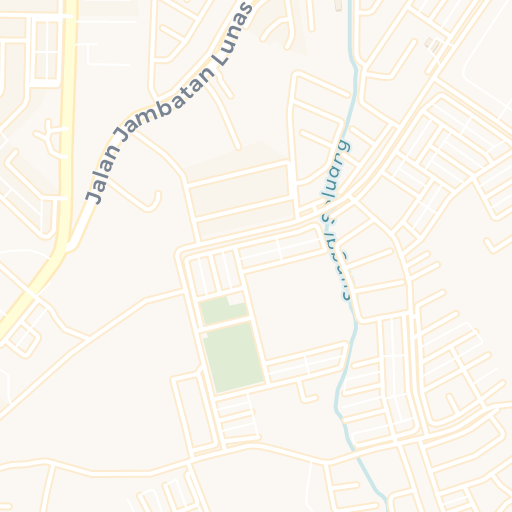
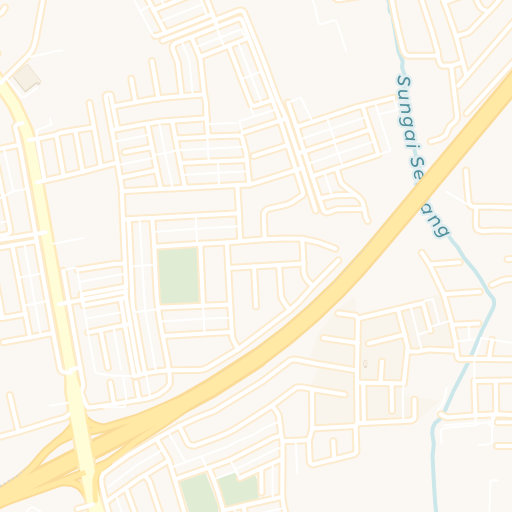
Taman Kijang, Kulim, Kedah
Taman Kijang in Kulim, Kedah recorded 2 subsale transactions in 2024, with a median price of RM 469K and a median price per square foot (PSF) of RM 168.
This area consists exclusively of residential properties, with no commercial listings recorded.
Price remained flat, and PSF growth was PSF remained flat. The median price is RM 469K, with most transactions falling within a stable range of RM 370K to RM 568K, and a typical market range of RM 444K to RM 494K.
Most transactions involved 1 - 1 1/2 storey semi-detached, with high diversity across multiple property types.
Price per square foot shows a median of RM 168, though individual units vary from RM 131 to RM 206 in the core range. The broader market spans RM 152.89 to RM 183.89, indicating diverse property characteristics. The spread of RM 31.00 (IQR) and deviation of RM 37 (MAD) suggest moderate price variations reflecting different property features.
Overall, the market in this area appears stable with consistent appreciation, making it an attractive option for both investors and homebuyers. Despite diverse property types, prices remain relatively stable, offering options for different buyer preferences. Limited transaction history suggests carefully evaluating comparable sales data.