Taman Sejahtera Jaya
14000 Bukit Mertajam, Pulau Pinang, Malaysia
14000 Bukit Mertajam, Pulau Pinang, Malaysia
| Road | Price | PSF | Size | Date | Type |
|---|
|
Level 2
|
RM 185,000
|
RM 302
|
614 sqft
|
|
LC Flat |
|
Level 2
|
RM 120,000
|
RM 196
|
614 sqft
|
|
Flat |
|
Level 1
|
RM 150,000
|
RM 244
|
614 sqft
|
|
LC Flat |
|
Lorong Sejahtera Jaya2
|
RM 385,000
|
RM 322
|
1,195 sqft
|
|
Posts about Taman Sejahtera Jaya
No posts about Taman Sejahtera Jaya yet. Be the first to share what’s happening here.
Property News
More property news →
Promote your property to visitors of this page
Market Snapshot
ResidentialRM 167,500
RM 273 psfMedian transaction price
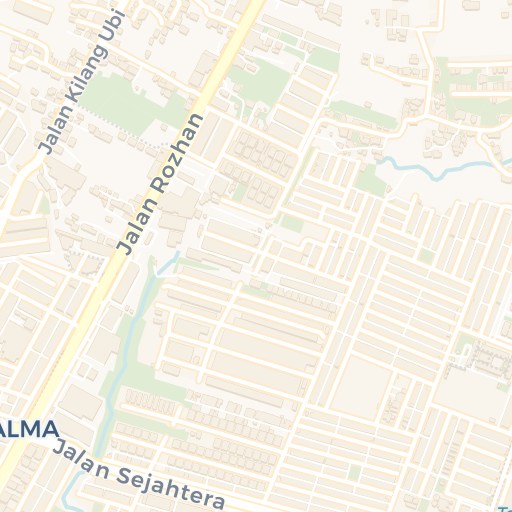
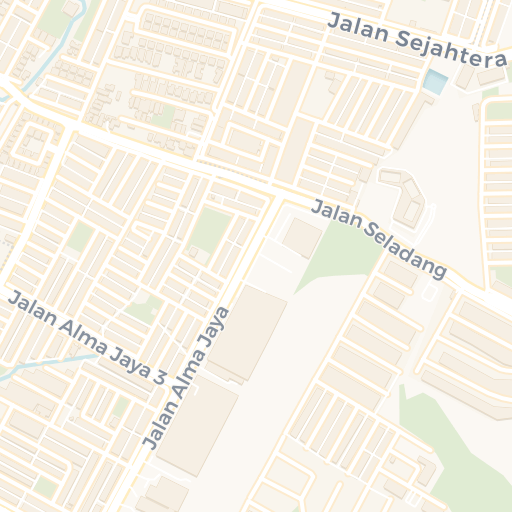
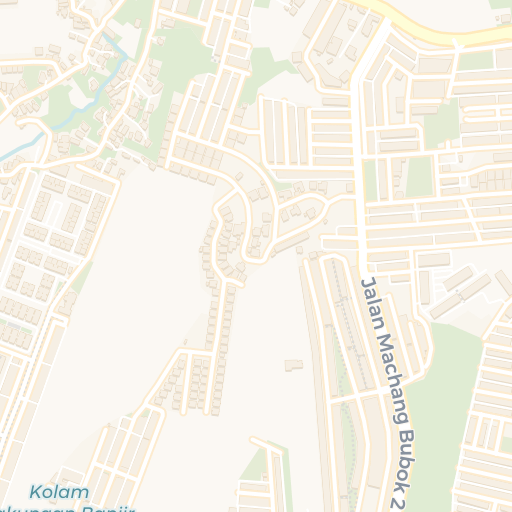
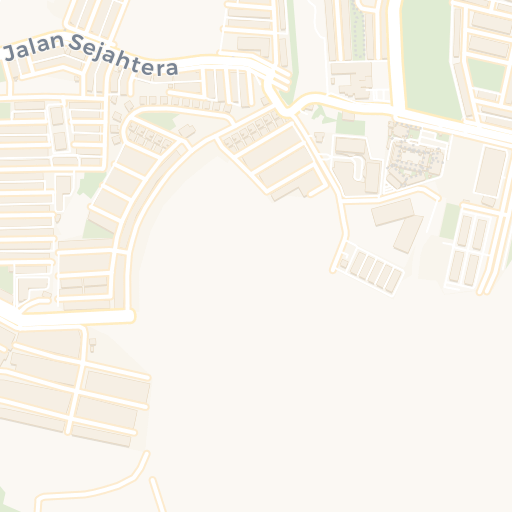
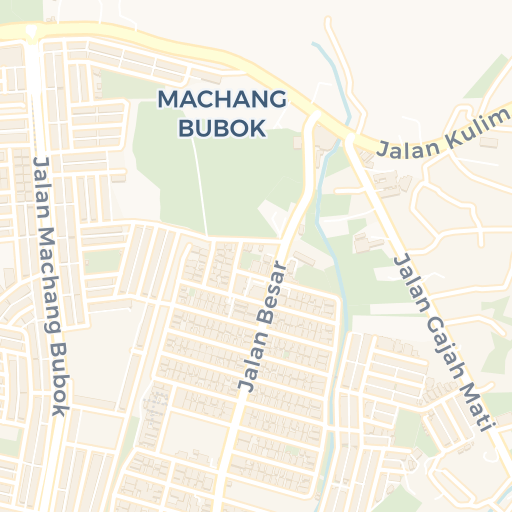
Taman Sejahtera Jaya, 14000 Bukit Mertajam, Pulau Pinang, Malaysia
MapsTaman Sejahtera Jaya in Seberang Perai Tengah, Penang recorded 4 subsale transactions between 2021 and 2026, with a median price of RM 168K and a median price per square foot (PSF) of RM 273.
This area consists exclusively of residential properties, with no commercial listings recorded.
Price remained flat, and PSF growth was PSF remained flat. The median price is RM 168K, with most transactions falling within a stable range of RM 120K to RM 271K, and a typical market range of RM 120K to RM 296K.
Most transactions involved low-cost flat, with moderate diversity in property types available.
The median PSF stands at RM 273, with core pricing between RM 224 and RM 323. Market pricing typically extends from RM 215.37 to RM 331.12, reflecting moderate variation in unit pricing. The spread of RM 115.75 (IQR) and deviation of RM 50 (MAD) suggest moderate price variations reflecting different property features.
While the area has shown positive growth trends, price variations suggest a more dynamic market. This presents opportunities for investors comfortable with moderate volatility. Significant price variations suggest comparing multiple properties and timing the market carefully. Limited transaction history suggests carefully evaluating comparable sales data.