Sri Mahkota
2, Jalan Ampang Tengah, Taman U Thant, 55000 Kuala Lumpur, Wilayah Persekutuan Kuala Lumpur, Malaysia
2, Jalan Ampang Tengah, Taman U Thant, 55000 Kuala Lumpur, Wilayah Persekutuan Kuala Lumpur, Malaysia
| Road | Price | PSF | Size | Date | Type |
|---|
|
Jalan 26/62B
|
RM 580,000
|
RM 674
|
861 sqft
|
|
|
Bandar Menjalara (Desa Seri Mahkota)
|
RM 970,000
|
RM 570
|
1,701 sqft
|
|
Posts about Sri Mahkota
No posts about Sri Mahkota yet. Be the first to share what’s happening here.
Promote your property to visitors of this page
Market Snapshot
ResidentialRM 775,000
RM 622 psfMedian transaction price
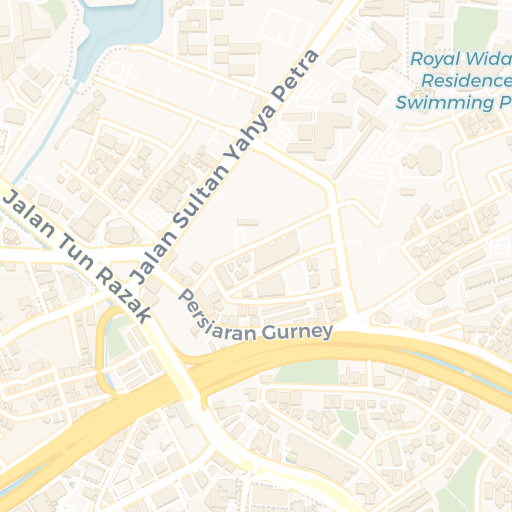
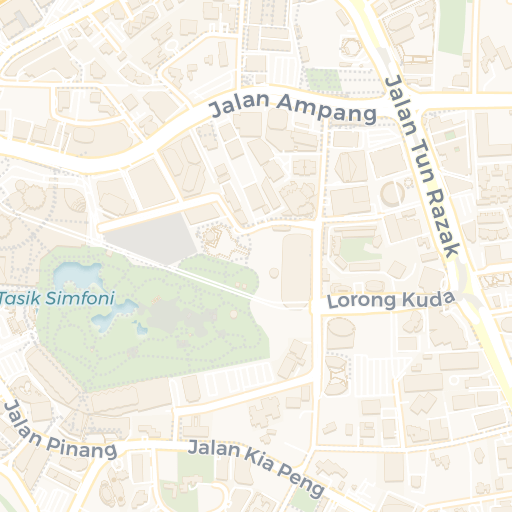
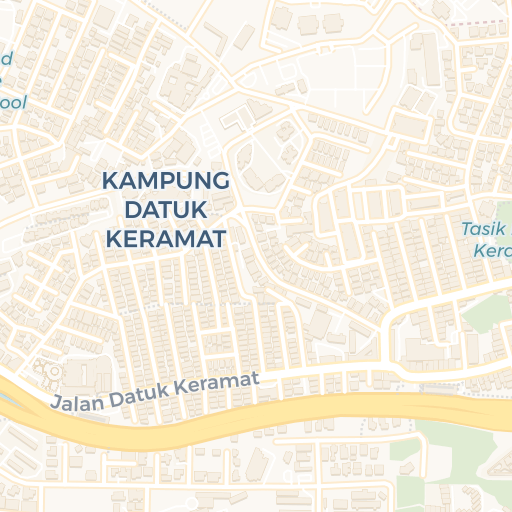
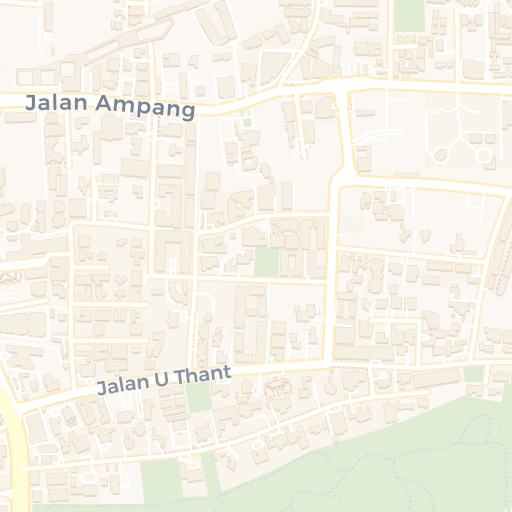
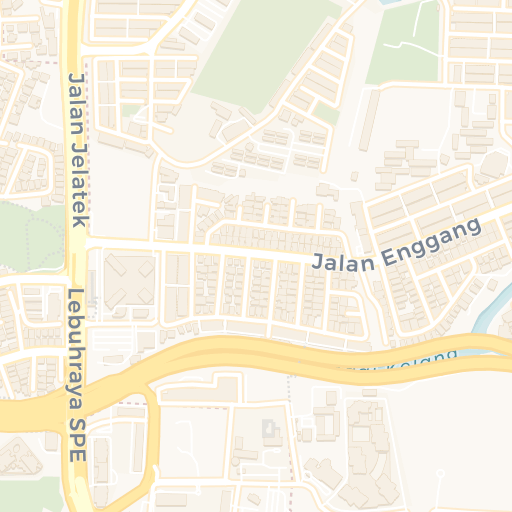
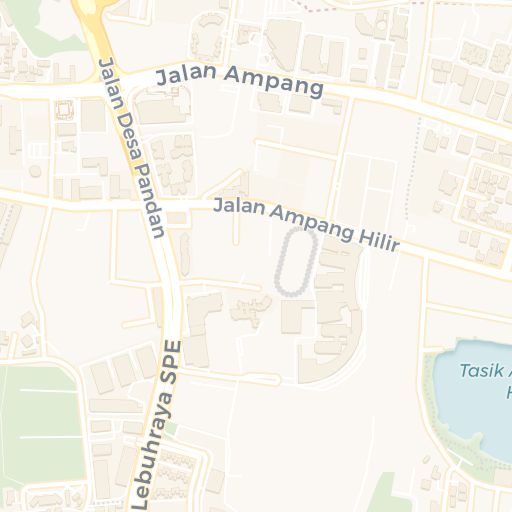
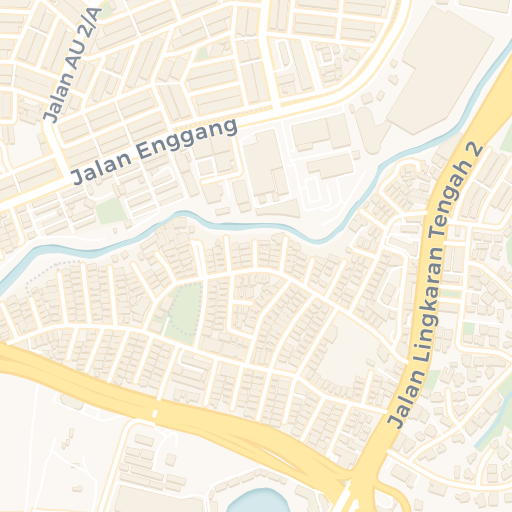
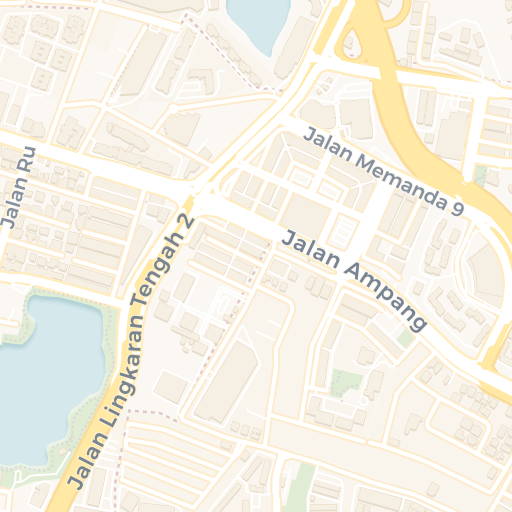
Sri Mahkota, 2, Jalan Ampang Tengah, Taman U Thant, 55000 Kuala Lumpur, Wilayah Persekutuan Kuala Lumpur, Malaysia
MapsSri Mahkota in Kuala Lumpur, Kuala Lumpur recorded 2 subsale transactions in 2026, with a median price of RM 775K and a median price per square foot (PSF) of RM 622.
This area consists exclusively of residential properties, with no commercial listings recorded.
Price remained flat, and PSF growth was PSF remained flat. The median price is RM 775K, with most transactions falling within a stable range of RM 580K to RM 970K, and a typical market range of RM 580K to RM 970K.
Most transactions involved 2 - 2 1/2 storey terraced, with minimal variety in property types.
For price per square foot, the median is RM 622, with most transactions between RM 570 and RM 674. The usual range is RM 545.63 to RM 698.38, showing that most units are priced quite close to each other. With an IQR of RM 152.75 and MAD of RM 52, the PSF demonstrates reasonable consistency across the market.
While the area has shown positive growth trends, price variations suggest a more dynamic market. This presents opportunities for investors comfortable with moderate volatility. Some price volatility exists, making thorough market research essential before transacting. Limited transaction history suggests carefully evaluating comparable sales data.