Tepian Loke Yew
Pudu, Kuala Lumpur, Wilayah Persekutuan Kuala Lumpur, Malaysia
Pudu, Kuala Lumpur, Wilayah Persekutuan Kuala Lumpur, Malaysia
New Condo in PJ Damansara
Pet friendly condo. 10mins to 1Utama
| Road | Price | PSF | Size | Date | Type |
|---|
|
Level 1
|
RM 168,000
|
RM 198
|
850 sqft
|
|
|
|
Level 1
|
RM 180,000
|
RM 214
|
840 sqft
|
|
Posts about Tepian Loke Yew
No posts about Tepian Loke Yew yet. Be the first to share what’s happening here.
New Condo in PJ Damansara
Pet friendly condo. 10mins to 1Utama
New Condo in PJ Damansara
From RM 600,000 · 800 sqft
Pet friendly condo. 10mins to 1Utama
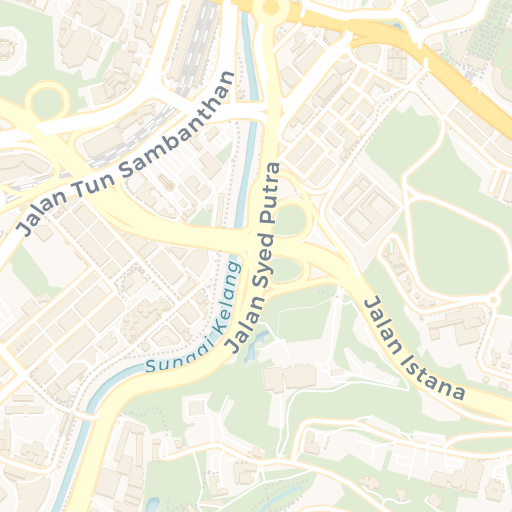
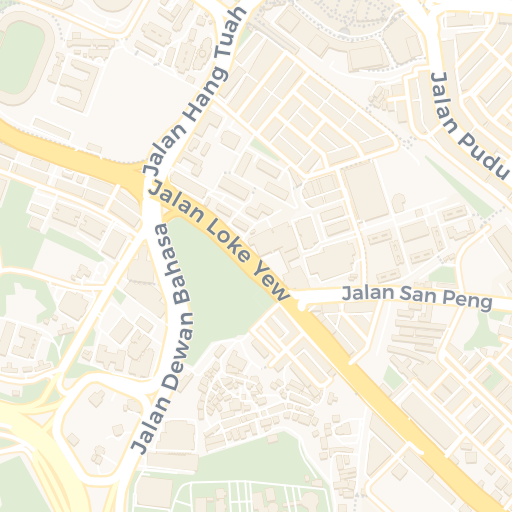
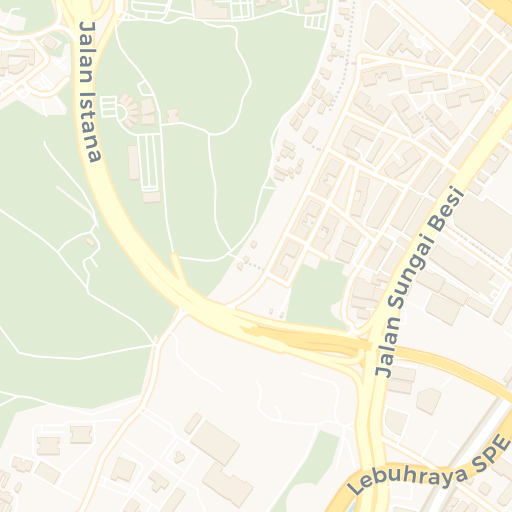
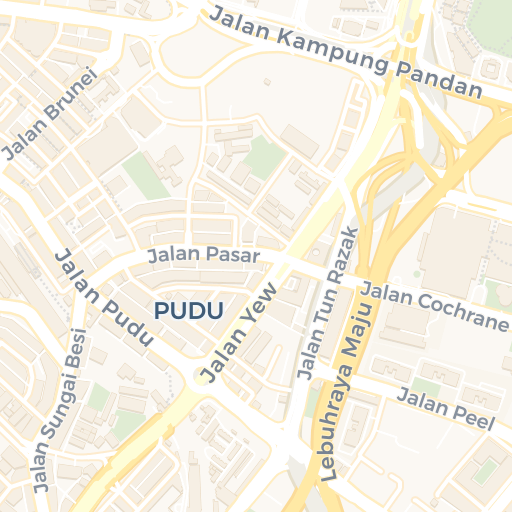
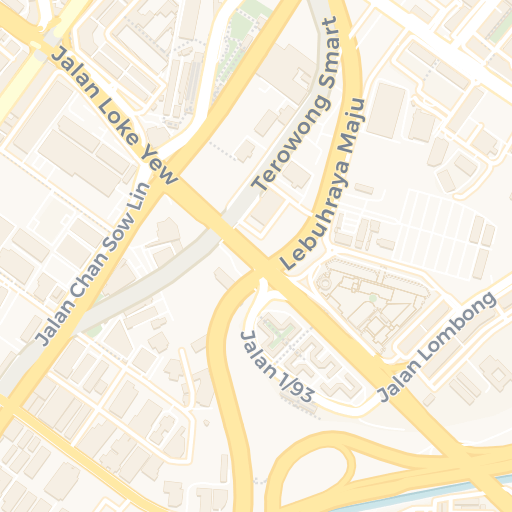
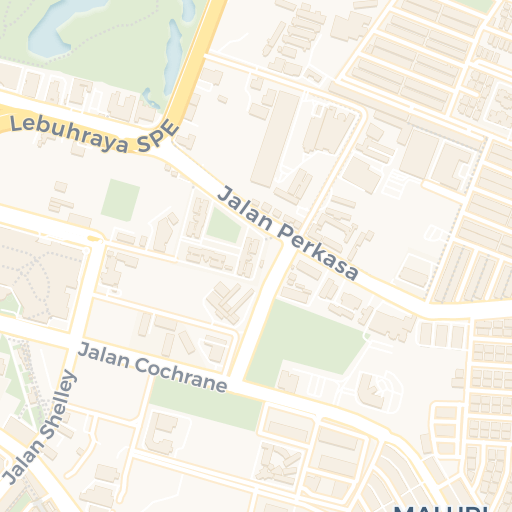
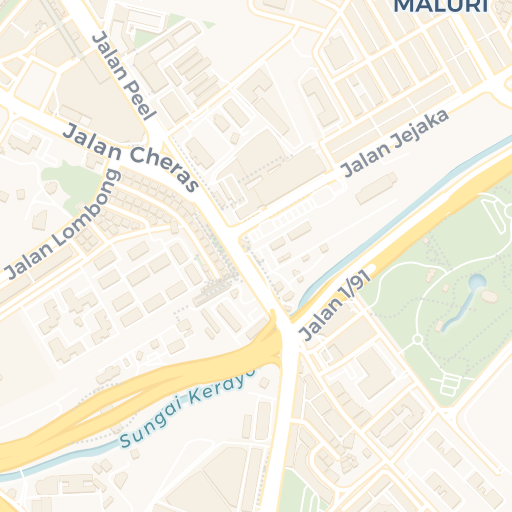
Tepian Loke Yew, Pudu, Kuala Lumpur, Wilayah Persekutuan Kuala Lumpur, Malaysia
MapsTepian Loke Yew in Kuala Lumpur, Kuala Lumpur recorded 4 subsale transactions between 2021 and 2026, with a median price of RM 164K and a median price per square foot (PSF) of RM 213.
This area consists exclusively of residential properties, with no commercial listings recorded.
Price remained flat, and PSF growth was PSF remained flat. The median price is RM 164K, with most transactions falling within a stable range of RM 155K to RM 173K, and a typical market range of RM 155K to RM 174K.
Most transactions involved flats, though some variety exists in the market.
For price per square foot, the median is RM 213, with most transactions between RM 203 and RM 223. The usual range is RM 212.08 to RM 214.08, showing that most units are priced quite close to each other. A typical spread (IQR) of RM 2.00 and an average deviation (MAD) of RM 10 indicate a highly stable PSF trend across properties.
Overall, the market in this area appears stable with consistent appreciation, making it an attractive option for both investors and homebuyers. The consistent property type and stable pricing make it easier to assess value and compare trends. Limited transaction history suggests carefully evaluating comparable sales data.