| Road | Price | PSF | Size | Date | Type |
|---|
|
Persiaran Bunga Raya
|
RM 650,000
|
RM 311
|
2,088 sqft
|
|
|
|
Persiaran Bunga Raya
|
RM 950,000
|
RM 455
|
2,088 sqft
|
|
|
|
Jalan. Persiaran Bunga Raya
|
RM 450,000
|
RM 215
|
2,088 sqft
|
|
|
|
Persiaran Bunga Raya
|
RM 297,000
|
RM 142
|
2,088 sqft
|
|
|
|
Persiaran Bunga Raya
|
RM 550,000
|
RM 263
|
2,088 sqft
|
|
Posts about Langkawi Mall
No posts about Langkawi Mall yet. Be the first to share what’s happening here.
Promote your property to visitors of this page
Market Snapshot
CommercialRM 550,000
RM 263 psfMedian transaction price
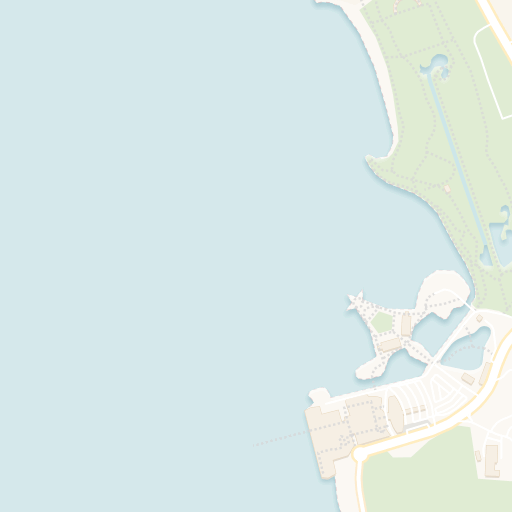
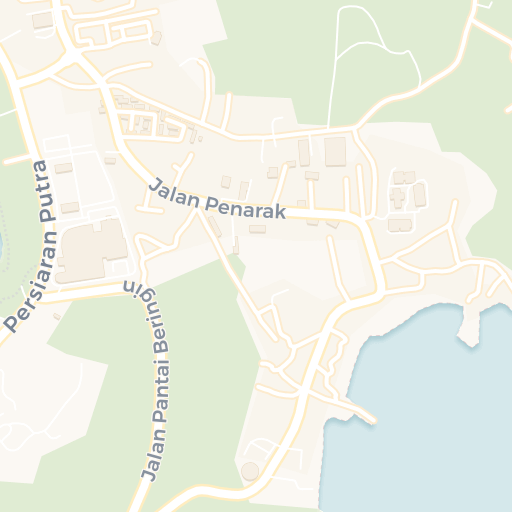
Langkawi Mall, Langkawi, Kedah
Langkawi Mall in Langkawi, Kedah recorded 5 subsale transactions in 2024, with a median price of RM 550K and a median price per square foot (PSF) of RM 263.
This area consists exclusively of commercial properties, with no residential listings recorded.
Price remained flat, and PSF growth was PSF remained flat. The median price is RM 550K, with most transactions falling within a stable range of RM 331K to RM 769K, and a typical market range of RM 423K to RM 678K.
Most transactions involved 2 - 2 1/2 storey shop, though some variety exists in the market.
Price per square foot shows a median of RM 263, though individual units vary from RM 159 to RM 368 in the core range. The broader market spans RM 170.38 to RM 356.38, indicating diverse property characteristics. A wider spread (IQR: RM 186.00) and deviation (MAD: RM 105) indicate significant PSF variations, likely due to diverse property types or conditions.
While the area has shown positive growth trends, price variations suggest a more dynamic market. This presents opportunities for investors comfortable with moderate volatility. Some price volatility exists, making thorough market research essential before transacting. Limited transaction history suggests carefully evaluating comparable sales data.