| Road | Price | PSF | Size | Date | Type |
|---|
|
Jalan Belalang
|
RM 330,000
|
RM 262
|
1,259 sqft
|
|
|
|
Jalan Sibur-Sibur
|
RM 350,000
|
RM 278
|
1,259 sqft
|
|
|
|
Jalan Sibur-Sibur
|
RM 230,000
|
RM 183
|
1,257 sqft
|
|
|
|
Jalan Sibur-Sibur
|
RM 300,000
|
RM 239
|
1,257 sqft
|
|
|
|
Jalan Lebah
|
RM 290,000
|
RM 232
|
1,252 sqft
|
|
|
|
Jalan Mentibang
|
RM 300,000
|
RM 240
|
1,252 sqft
|
|
Posts about Taman Desa Permai
No posts about Taman Desa Permai yet. Be the first to share what’s happening here.
Promote your property to visitors of this page
Market Snapshot
ResidentialRM 295,000
RM 235 psfMedian transaction price
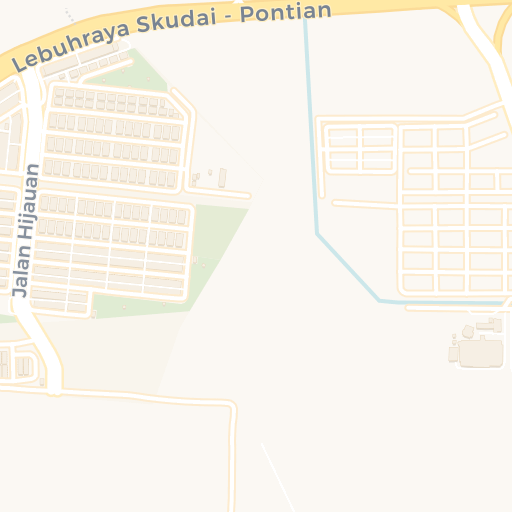
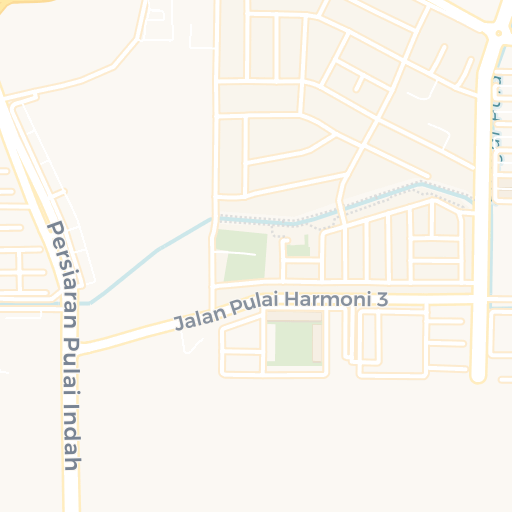
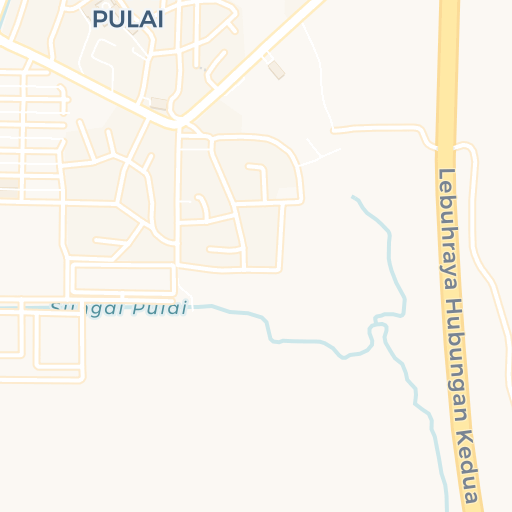
Taman Desa Permai, Kangkar Pulai, Johor Darul Ta'zim, Malaysia
MapsTaman Desa Permai in Johor Bahru, Johor recorded 9 subsale transactions between 2021 and 2026, with a median price of RM 295K and a median price per square foot (PSF) of RM 235.
This area consists exclusively of residential properties, with no commercial listings recorded.
Price remained flat, and PSF growth was PSF remained flat. The median price is RM 295K, with most transactions falling within a stable range of RM 262K to RM 328K, and a typical market range of RM 271K to RM 319K.
Most transactions involved low-cost house, with minimal variety in property types.
The median PSF stands at RM 235, with core pricing between RM 208 and RM 261. Market pricing typically extends from RM 215.37 to RM 253.87, reflecting moderate variation in unit pricing. With an IQR of RM 38.50 and MAD of RM 26, the PSF demonstrates reasonable consistency across the market.
Overall, the market in this area appears stable with consistent appreciation, making it an attractive option for both investors and homebuyers. The consistent property type and stable pricing make it easier to assess value and compare trends. Limited transaction history suggests carefully evaluating comparable sales data.