| Road | Price | PSF | Size | Date | Type |
|---|
|
Jalan Qamari U5/107A
|
RM 580,000
|
RM 333
|
1,744 sqft
|
|
|
|
Jalan Qamari U5/107A
|
RM 500,000
|
RM 287
|
1,744 sqft
|
|
|
Jalan Qamari U5/108
|
RM 555,000
|
RM 309
|
1,798 sqft
|
|
|
Jalan Gamari U5/111
|
RM 600,000
|
RM 300
|
2,002 sqft
|
|
|
Jalan Qamari U5/107B
|
RM 730,000
|
RM 299
|
2,443 sqft
|
|
Posts about Taman Nusa Subang
No posts about Taman Nusa Subang yet. Be the first to share what’s happening here.
Property News
More property news →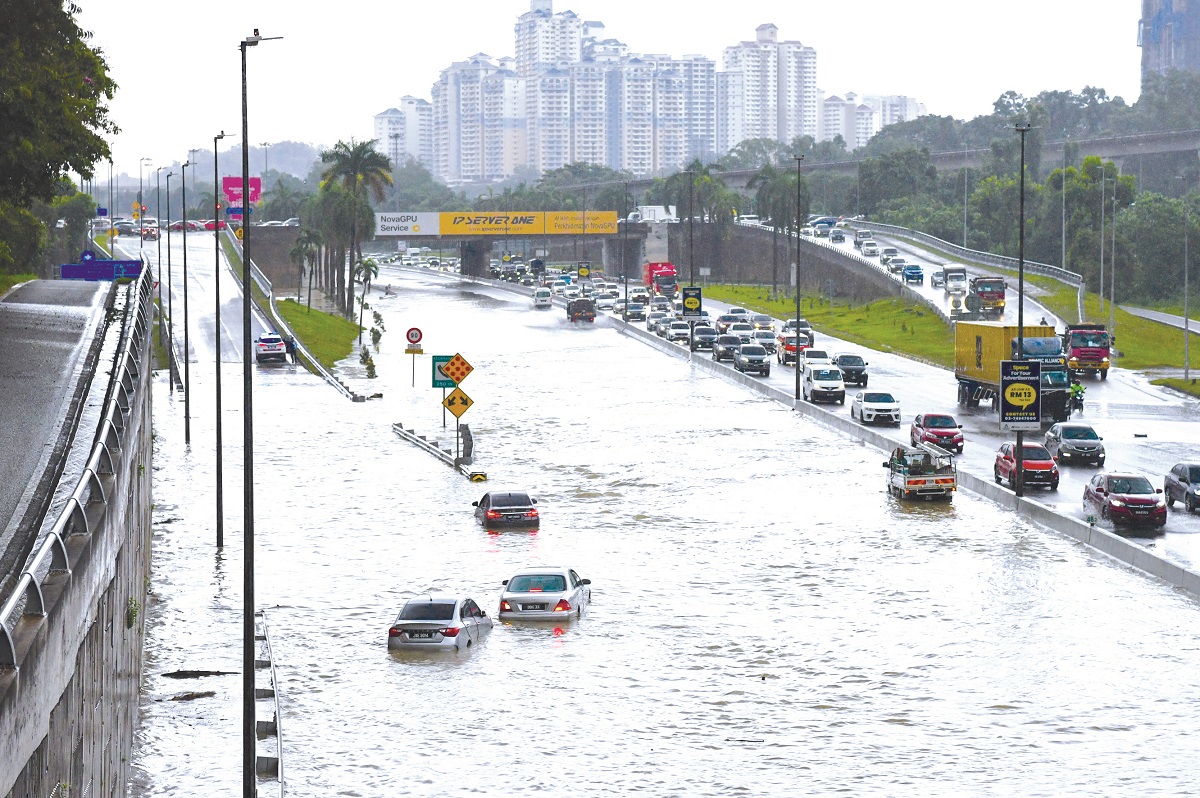
Flood risk does not always sink property values
EdgeProp · 22 hours ago
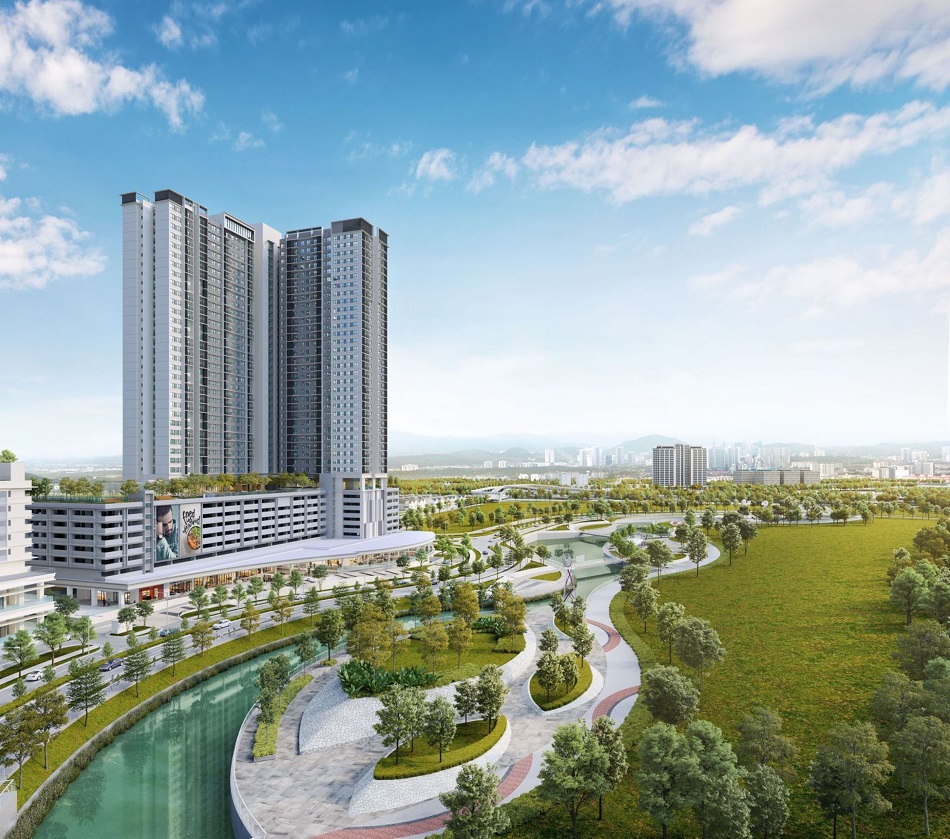
Tropicana introduces SouthPlace 2 Shoppes at Tropicana Metropark
EdgeProp · 2 days ago
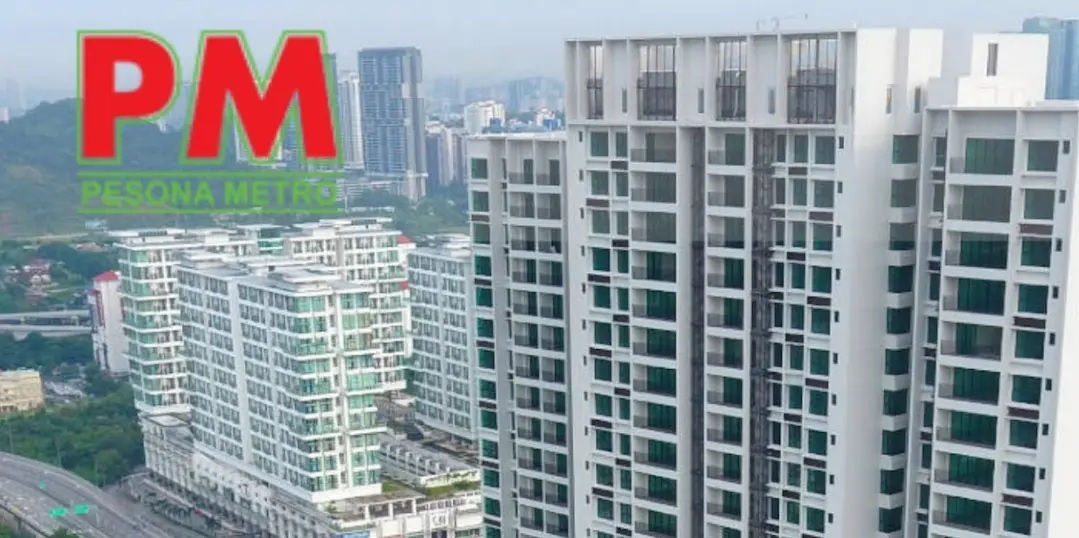
Pesona Metro secures RM247.5 mil Setia Alam Medical Centre contract
EdgeProp · 3 days ago
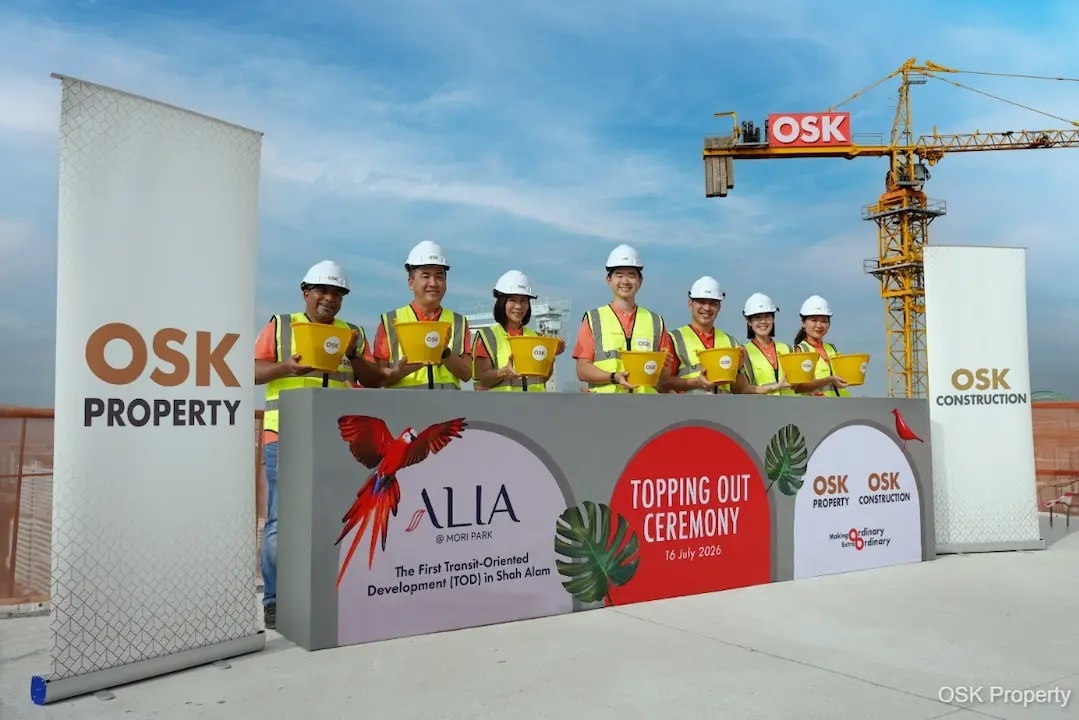
OSK Property marks ALIA @ OSK Mori Park topping-out, unveils TAMU
EdgeProp · 5 days ago
OSK Propertys ALIA @ OSK Mori Park reaches topping-out milestone six months ahead of schedule
EdgeProp · 5 days ago
Promote your property to visitors of this page
Market Snapshot
ResidentialRM 580,000
RM 300 psfMedian transaction price
Taman Nusa Subang, 40150 Shah Alam, Selangor, Malaysia
MapsTaman Nusa Subang in Petaling, Selangor recorded 5 subsale transactions in 2025, with a median price of RM 580K and a median price per square foot (PSF) of RM 300.
This area consists exclusively of residential properties, with no commercial listings recorded.
Price remained flat, and PSF growth was PSF remained flat. The median price is RM 580K, with most transactions falling within a stable range of RM 504K to RM 656K, and a typical market range of RM 533K to RM 628K.
Most transactions involved 2 - 2 1/2 storey terraced, with minimal variety in property types.
For price per square foot, the median is RM 300, with most transactions between RM 285 and RM 315. The usual range is RM 271.50 to RM 328.50, showing that most units are priced quite close to each other. With an IQR of RM 57.00 and MAD of RM 15, the PSF demonstrates reasonable consistency across the market.
Overall, the market in this area appears stable with consistent appreciation, making it an attractive option for both investors and homebuyers. The consistent property type and stable pricing make it easier to assess value and compare trends. Limited transaction history suggests carefully evaluating comparable sales data.